Need Counselling

Executive MBA in International Business
 Job Pressure
Medium
 Academic Pressure
Medium
 Early Salary
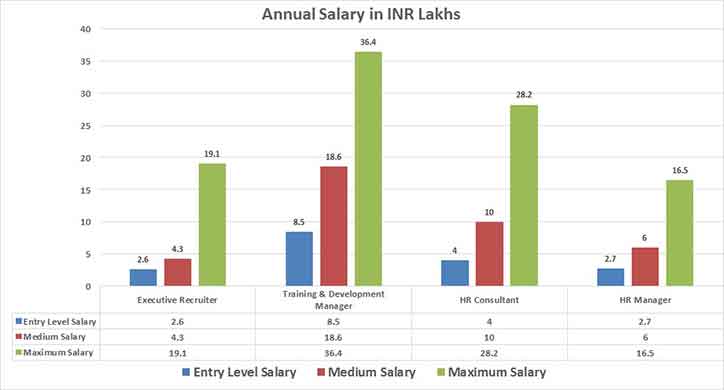
2.6 LPA - 8.5 LPA
Mid Level Salary4.3 LPA - 18.6 LPA
Senior Salary19.1 LPA - 36.4 LPA
Table of Contents
- Executive MBA in International Business Course Highlights
- About Executive MBA in International Business Course
- Why Executive MBA in Human Resource Management?
- Executive MBA in Human Resource Management Eligibility
- MBA in International Business Syllabus
- Executive MBA in Human Resource Management Career Options
- Executive MBA in Human Resource Management Scope (Job Types)
- Top Recruiting Companies
- Executive MBA in Human Resource Management Salary
- Watch the video
Executive MBA in International Business Course Highlights
| Duration | 2 years |
| Course type | Post graduate |
| Examination Type | Semester wise |
| Eligibility | 10+2 with minimum 50% Marks from a recognized college |
| Admission process | Entrance exam |
| Course Fee | INR 8,000 - INR 1.3 lakhs (for 2 years) |
| Average Salary (per month) | INR 2 lakhs – INR 10 lakhs |
| Job Position | Chief executive officer, information security director, business analytics manager, supply chain management director, business development manager, government affairs director, marketing and sales director, real estate development manager, corporate auditing director, risk management director, national manager, key accounts manager, etc. |
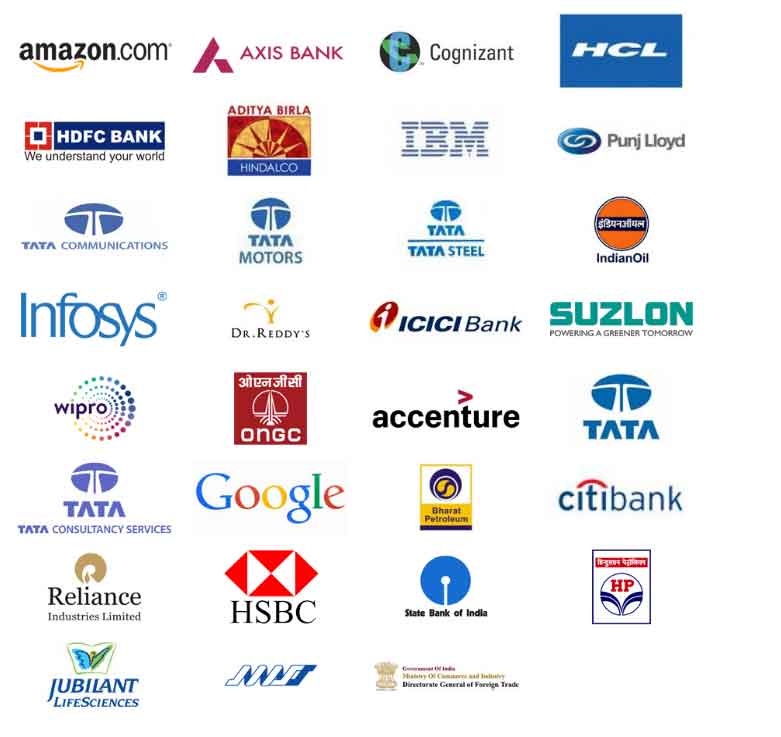
| Top organizations | Citi Bank, HDFC Bank, ICICI Bank, Amazon, Google, HSBC, IBM, Cognizant, Axis Bank, WIPRO, etc. |
About Executive MBA in International Business Course
An executive MBA in the field of Human Resource Management is a management course taken after a Bachelor’s degree. It generally requires 18 months to complete and is offered in various universities in India; however the duration of the course may vary.
The course is specially designed for those who are working and are willing to get professional qualifications in the area of Human Resource Management.
Why Executive MBA in Human Resource Management?
As the name of the course itself suggests, it is an Executive MBA (HRM), the main objective of this course is to develop executives into professionals. The course equips those (executives) with the conceptual knowledge, professional skills and right attitude so that they can acquire a wholesome of business orientation.
Executive MBA in Human Resource Management Eligibility
Applicants for Executive MBA (HRM) must fulfill the following criteria:
- Applicants should be working professionals or self employed.
- They must have a Bachelor’s degree or any equivalent from a recognized university.
- Minimum 2 years of experience post completion of graduation is mandatory.
- The duration of the minimum experience may vary from college/ institute to college/ institute.
MBA in International Business Syllabus
| MBA in International Business Syllabus and Subjects | |
|---|---|
| International Trade Operations & Documentation | International Marketing Management |
| International Economics | International Trade Logistics & Sourcing |
| International Contract Management | Crisis Management |
| International Business Strategy | International Financial Management |
| Management of Shipping Services | Agri-Commodity Trading (ACT) |
| Managing Global Compliance in Exports | Customs Procedure in GST Regime |
| Risk Management in International Trade | Sectoral Strategies for Exports |
| Global Leadership Strategies | International Human Resource Management Practices |
| Labour Laws & Industrial Relations | International Investment Treaties & Business Decisions |
Executive MBA in Human Resource Management Career Options
There is no set of cost/ fee structure for the course as it depends upon the duration of course and the college/ institute in which applicants are applying.
Executive MBA in Human Resource Management Scope (Job Types)
1) Private Sector Career options
- Recruitment Manager
- Training and Development Manager
- HR Executive
- HR Consultant
- HR Manager
- Urban Planner
- Social Worker
- Production Manager
2) Private Sector Employment areas
- Strategical Planning
- Management Firms
- Consulting Firms
- H.R.
- Recruitment and Administration
- Marketing
- Advertising etc.
3) Public Sector Employment areas
- Banks
- Hospitals
- Government Organisations
- Ministry of Human Resource Development
Top Recruiting Companies
Executive MBA in Human Resource Management Salary
| Master of Business Administration [MBA] (Executive) [Human Resource Management] | Entry Level Salary (LPA) | Medium Salary (LPA) | Maximum Salary (LPA) |
|---|---|---|---|
| Executive Recruiter | 2.6 | 4.3 | 19.1 |
| Training & Development Manager | 8.5 | 18.6 | 36.4 |
| HR Consultant | 4 | 10 | 28.2 |
| HR Manager | 2.7 | 6 | 16.5 |
Frequently Asked Questions (FAQs)
What is an Executive MBA in International Business? Who is this programme for? What is the typical duration of an Executive MBA in International Business? What are the eligibility criteria? What subjects are covered in the programme? Can I study while working full‑time? What career opportunities are available after this programme? Which industries hire Executive MBA in International Business graduates? What is the expected salary range?
10. How does an Executive MBA in International Business help my career?
An Executive MBA in International Business is a postgraduate management programme designed for working professionals that focuses on advanced strategic management, global markets, cross‑cultural leadership, international trade and multinational operations — preparing you to lead global business functions and strategy.
This EMBA is ideal for mid‑ to senior‑level professionals with significant work experience (often 3+ to 5+ years) who want to advance their careers internationally, sharpen leadership skills, and gain global strategic perspectives while continuing to work.
The duration usually ranges from 1 to 2 years depending on the institute and format (part‑time, weekend, blended or online).
Eligibility typically requires a bachelor’s degree with a minimum aggregate (often around 50 %) and relevant professional work experience. Some institutes may also consider entrance tests or interviews as part of the selection process.
The curriculum usually includes international strategic management, global marketing, cross‑cultural management, international trade, global supply chains, international finance, leadership and innovation — equipping students to operate effectively in global business contexts.
Yes — Executive MBA formats are designed for working professionals, with classes often offered on weekends, evenings or in modular/online formats so you can balance study with your job.
Graduates can pursue roles such as International Business Manager, Global Marketing Manager, Export‑Import Manager, Supply Chain Strategist, International Operations Manager, Trade Compliance Officer and Business Development Leader in corporate, consulting, logistics or export/import functions.
Professionals are in demand across multinational corporations (MNCs), global consultancies, export‑import firms, logistics companies, financial services, technology, retail and international trade organisations.
Salary varies by industry, experience and job role. In India, executives with this qualification often see starting packages from around INR 8 LPA to INR 20 LPA, with international opportunities offering higher ranges. Abroad, packages can range much higher depending on geography and role.
This programme strengthens your global business thinking, leadership abilities, cross‑cultural awareness, and strategic decision‑making skills, helping you take on senior management or international leadership roles and broaden your global career opportunities.
Watch the video
Executive MBA in International business Courses, Admission, Syllabus, Colleges, Salary & Scope
Other Popular Courses
Applications for Admissions are open
 Solan Homoeopathic Medical College & HospitalSolan
 I.T.S Dental college, Murad NagarGhaziabad
 DBS Global UniversityDehradun
 Manav Rachna University, FaridabadFaridabad
 Guru Nanak Ayurvedic Medical College & HospitalMuktsar
 Muthoot Business SchoolKochi
 SRM University - APGuntur
 Chanakya UniversityBangalore
 Acharya Bangalore Business SchoolBangalore
 Sunder Deep Group of InstitutionsGhaziabad
 NIIT UniversityAlwar
 Sri Sukhmani Institute of ManagementNew Delhi
 Manav Rachna International Institute Of Research And StudiesFaridabad
 Guru Kashi UniversityBathinda
 UNITEDWORLD INSTITUTE OF DESIGNAhmedabad
 Greater Noida Institute of TechnologyGreater Noida
 IILM University, GurugramGurgaon
 I.T.S College of Health and Wellness Sciences, Greater NoidaGreater Noida
 UID Ahemdabad & Delhi NCRGurgaon
 Alliance UniversityBangalore
 Shoolini UniversitySolan
 Lovely Professional UniversityJalandhar
 Shri Bhawani Niketan Shiksha Samitijaipur
 Harmony Ayurvedic Medical College & HospitalFirozpur
 Amity University, GurugramGurgaon
 I.T.S Engineering CollegeGreater Noida
 Rai Technology UniversityBangalore
 Centurion University of Technology and Management, BhubaneswarBhubaneswar
 Guru Nanak Dev Dental College & Research InstitutePatiala
 HRIT UniversityGhaziabad