Need Counselling
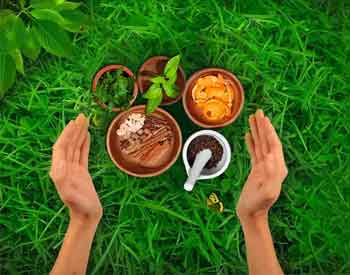
MS Ayurveda
 Job Pressure
Medium
 Academic Pressure
Medium
 Early Salary
3.5 LPA LPA - 4.5 LPA LPA
Mid Level Salary6.5 LPA LPA - 7.5 LPA LPA
Senior Salary8.5 LPA LPA - 10 LPA LPA
Table of Contents
M.S Ayurveda Course Highlights
| Full Form | Master of Surgery in Ayurveda |
| Course Level | Post-Graduation |
| Duration | 3 years |
| Eligibility | M.B.B.S. with 50% scores from MCI recognized Institute |
| Age Limit | No |
| Admission Process | Merit-based or Entrance-based |
| Similar Options of Study | MD (Pathology), MD (Physiology), MD (Pharmacology), MD (Biochemistry) etc. |
| Average Starting Salary | INR 3 to 8 LPA |
| Course Fee | INR 1 to 7 Lakhs per year |
| Job Positions | Ayurvedic Doctor, Product Managers, Medical Supervisor, etc. |
| To Recruiting Areas | Health Centers, Herbal Product Manufacturers, Hospitals etc. |
M.S. Ayurveda or Master of Surgery in Ayurveda Overview
M.S. Ayurveda or Master of Surgery in Ayurveda is a three-year post-graduate medical degree course in Ayurveda that involves the detection of different surgical disorders, trauma, surgical emergency, and so on. It uses both traditional as well as modern surgical methods for carrying out surgery. The abbreviated form of this course is M. S. (Ayu). It is even called Ayurveda Dhanwantri- Shayla Tantra- Samanya, precisely. This course provides a comprehensive study of medicine as a combination of both the integrated systems of modern medicine and traditional Ayurveda. On successful completion of the course, the individual is known as Shayla Chikitsak, meaning a surgeon, in English.
Who can opt for MS in Ayurveda?
To be eligible for this course, a candidate should possess a Bachelor of Ayurveda Medicine and Surgery degree, recognized by COCCI. Alternatively, students having an M.B.B.S. degree, recognized by the Medical Council of India can also opt for this course. Also, a candidate wanting to take up this course should not be more than 35 years of age. This course is best suited for those who have the zeal and inclination to serve humanity and cure them of their diseases through medical assistance. This course is highly suitable for those having a strong Sanskrit base as Sanskrit is compulsorily required for studying this course.
How is MS in Ayurveda beneficial?
A candidate having an M.S. Ayurveda degree is eligible to practice anywhere in India and can register himself in the Ayurveda boards of the Central as well as the State government. They can easily get appointed in the Central or State Govt. Ayurveda Medicine Services. Since Ayurveda medicines are herbal and do not have side effects, the populace of this course is highly increasing now, thereby making it quite lucrative and rewarding. Ayurveda Surgeons stand at par with any other medical postgraduate in India.
M.S Ayurveda Syllabus
| Kayachikitsa | Maulik Siddhanta |
| Agad Tantra | Dravya GunaKaumar Bhritya |
| Panchakarma | Prasuti Tantra & Stri Roga |
| Roga & Vikrit Vigyan | Rasa Shastra |
| Sharir Kriya | Shalya Tantra |
| KaumarBhritya | Sharir Rachana |
| Shalakya Tantra | Swastha Vitta |
Frequently Asked Questions (FAQs)
1. What is MS in Ayurveda?
MS in Ayurveda (Master of Surgery in Ayurveda) is a 3‑year postgraduate medical programme that trains Ayurvedic doctors in advanced treatment methods and surgical principles tailored to traditional Ayurvedic systems like Shalya Tantra (surgical specialties) and Shalakya Tantra (ENT, eye, mouth).
2. Who can study MS in Ayurveda?
To be eligible, you must have a BAMS (Bachelor of Ayurvedic Medicine & Surgery) degree from a recognised university with mandatory internship completed. In some cases MBBS doctors with internship may also be eligible, depending on the institution’s rules.
3. How long does the MS in Ayurveda course last?
The duration of the programme is typically 3 years of full‑time study and clinical training along with research and practical surgical exposure.
4. How are admissions done for MS in Ayurveda?
Admissions are generally based on performance in AIAPGET (All India Ayush Post Graduate Entrance Test) conducted by the NTA and state/national counselling conducted by AYUSH or recognised counselling authorities.
5. What are the main areas or specializations?
Common specialisations under MS Ayurveda include:
• Shalya Tantra – Ayurvedic surgical therapy and procedures
• Shalakya Tantra – Diseases of ENT, eyes and related head/neck regions
• Prasuti Tantra & Stri Roga – Ayurvedic women’s health and obstetrics/gynecology
These prepare practitioners for specific clinical and surgical roles in traditional Ayurvedic care.
6. What subjects are covered in this programme?
The syllabus usually includes Ayurvedic surgical principles, operative and injury management, advanced clinical diagnostics, anatomy and physiology from both Ayurvedic and modern perspectives, patient care, research methodology and practicum in speciality wards.
7. What skills will I gain from this degree?
You’ll gain clinical diagnostic abilities, traditional Ayurvedic surgical skills, decision making in trauma and specialty cases, patient management, research and evidence‑based practice skills tailored to Ayurveda.
8. What career paths are available after MS in Ayurveda?
After graduation you can work as:
• Ayurvedic Surgeon / Specialist
• Clinical Consultant in Hospitals or Clinics
• Ayurvedic Medical Officer or Supervisor
• Teaching Faculty or Researcher in Ayurveda colleges
• Product or Wellness Manager in Herbal/Ayurveda industry
• Entrepreneur in Ayurveda healthcare or wellness centres
9. What is the average salary after completing the MS in Ayurveda?
In India, starting salaries typically range from about ₹3 LPA to ₹8 LPA, increasing with experience and specialist roles; private practice, consultation, and senior clinical or academic roles can command higher earnings.
10. Is MS in Ayurveda a good career choice?
Yes — for those passionate about holistic and traditional healthcare, surgical specialties within Ayurveda, research and teaching, the course offers specialised clinical roles, eligibility for government and private roles, and opportunities to impact community health through traditional medicine.
Other Popular Courses
Applications for Admissions are open
 Guru Nanak Ayurvedic Medical College & HospitalMuktsar
 GNIOT Institute of Management Studies (GIMS)Greater Noida
 Om Sterling Global UniversityHisar
 Apeejay Stya UniversitySohna
 Chandigarh University OnlineMohali
 Nims UniversityJaipur
 Gian Sagar medical College & HospitalPatiala
 IILM University, GurugramGurgaon
 I.T.S College of Health and Wellness Sciences, Greater NoidaGreater Noida
 Acharya Bangalore Business SchoolBangalore
 Kalka Dental collegeMeerut
 Ajeenkya DY Patil UniversityPune
 JK Business School GurugramGurgaon
 Muthoot Business SchoolKochi
 Sri Sukhmani Institute of ManagementNew Delhi
 K.R. Mangalam University, GurgaonGurgaon
 Shoolini UniversitySolan
 Guru Kashi UniversityBathinda
 ATLAS SkillTech UniversityMumbai
 Shri Bhawani Niketan Shiksha Samitijaipur
 HRIT UniversityGhaziabad
 Lovely Professional UniversityJalandhar
 GD Goenka University, GurgaonGurgaon
 UNITEDWORLD INSTITUTE OF DESIGNAhmedabad
 Desh Bhagat UniversityFatehgarh Sahib
 Lamrin Tech Skill UniversityRupnagar
 Vidya Siri College of PharmacyBangalore
 Chanakya UniversityBangalore
 ITS Dental College, Greater NoidaGreater Noida
 SRM University - APGuntur