Need Counselling
MS Cardiothoracic Surgery
 Job Pressure
Medium
 Academic Pressure
Medium
 Early Salary
3.5 LPA LPA - 4.5 LPA LPA
Mid Level Salary5.5 LPA LPA - 7.5 LPA LPA
Senior Salary10.5 LPA LPA - 12 LPA LPA
Table of Contents
- M.S. in Cardiothoracic Surgery Course Highlights
- M.S. in Cardiothoracic Surgery Course Overview
- Eligibility for M.S. in Cardiothoracic Surgery
- M.S. in Cardiothoracic Surgery Syllabus
- M.S. in Cardiothoracic Surgery Admission Process
- M.S. in Cardiothoracic Surgery Academic Options
- M.S. in Cardiothoracic Surgery Career Prospects
- Who can opt for M.S in Cardiothoracic Surgery?
- Benefits of M.S in Cardiothoracic Surgery
M.S. in Cardiothoracic Surgery Course Highlights
| Name of the course | M.S. in Cardiothoracic Surgery |
| Course Level | Post Graduation |
| Duration | 2 years, full-time |
| Stream | Cardiothoracic Surgery |
| Examination Type | Yearly |
| Eligibility | M.B.B.S. |
| Admission Process | Based on the performance in the entrance examination |
| Average Course Fee | INR 3K to 5 Lacs |
| Average Starting Salary | INR 3 to 12 Lacs |
| Top Recruiting Companies | Fortis Healthcare, Max Healthcare, Care Hospitals, Indian Council of Medical Research, Apollo Hospitals, Kailash Hospital, Adecco India Private Limited, Jaypee healthcare limited, Meditrina Hospitals Private Limited, etc. |
M.S. in Cardiothoracic Surgery Course Overview
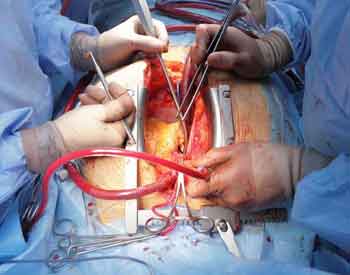
M. S. Cardiothoracic Surgery or Master of Surgery in Cardiothoracic surgery is a two-year post-graduate surgery course in the field of medicine which involves the treatment of diseases through surgery affecting organs inside the chest (thorax), heart, and lungs. This course focuses on training candidates towards acquiring high stake specializations to treating heart conditions through surgery.
Performing Cardiac surgery at the secondary and tertiary levels with proficiency in the basic and applied clinical sciences, Cardiac intensive care, Cardiac surgical care, Emergency medicine, etc are all concentrated on during the course tenure, and complete knowledge and skills required for the same are imparted to the students.
Eligibility for M.S. in Cardiothoracic Surgery
Listed here are the minimum criteria of eligibility needed to be fulfilled for admission to the course.
Typically, to pursue an MS degree, candidates need to have obtained an MBBS Degree from an institution recognized by the Medical Council of India (MCI), with a minimum aggregate score of 50%.
Indian nationals can apply under the General category. Foreign nationals or Non- Resident Indians or Indian nationals supported by NRI relatives can apply under the Foreign/ NRI Category.
M.S. in Cardiothoracic Surgery Syllabus
The major subjects of study that form part of the curriculum are listed here.
- Procedure
- ICU Procedures
- Emergency Room Procedures
- Pre-operative Workup
- Minor O.T. procedures
- General Surgical Operative Procedures
- Post-operative Care
- Major Operating Room Techniques
- Specialty Procedures for Cardiothoracic Surgery.
M.S. in Cardiothoracic Surgery Admission Process
At the MS level, most State government-affiliated programs accept 50% of students based on the national level examination and 50% based on the state-level examinations. As per the Indian constitution, seats are also reserved for physicians belonging to the economically impoverished sections of Indian society. Along with regular candidates, foreign nationals are also required to appear in the entrance examinations as a few institutes only admit candidates based on performance in the qualifying examinations.
M.S. in Cardiothoracic Surgery Academic Options
Successful postgraduates of the course interested in higher studies in the discipline may go for pursuing a Ph.D. in M.S. or pursue a fellowship in a topic of choice thereupon, such as Pediatric Cardiac Surgery, Cardiac Transplantation, And Adult Acquired Heart Disease.
M.S. in Cardiothoracic Surgery Career Prospects
Cardiothoracic Surgeons are lucratively employed in hospitals in Cardiothoracic Department, Cardiac Rehabilitation Centers, Medical Labs, Surgical Equipment, and clinics testing patients for heart problems, or in hospitals on an hourly, weekly, and monthly basis. Private practice or self-employment in the subject can also be pursued, aside from practice in defense services, research work, and lectureship in medical colleges.
Although Cardiothoracic is a specialized area in medical science, several sub-specialties have developed within it too, such as Nuclear Cardiothoracic Surgery which focuses on the pumping functions of the heart, or Electrophysiology, which specializes in the electrical function of the heart, or Interventional Cardiothoracic Surgery which includes invasive procedures such as stent insertion and angioplasty, or Pediatric Cardiothoracic Surgery which involves treatment of abnormalities and diseases of the heart in children who are still in-utero up to adulthood
Who can opt for M.S in Cardiothoracic Surgery?
Benefits of M.S in Cardiothoracic Surgery
This course is highly rewarding as it provides technical skills to candidates with optimum efficiency to develop surgical qualities for lifelong. It trains them to carry out research work, teach and become professionals in this field of medicine. Students also become capable of developing sub-specialist expertise in cardiothoracic surgery. They can take up jobs as surgeons in hospitals and clinics and even own medical centers where they can practice individually, perform routine check-ups and even carry out surgeries. They become specialists in diagnosing and treating diseases relating to the heart, lungs, and blood vessels through medical as well as surgical operations.
Frequently Asked Questions (FAQs) 2. How long does the MS in Cardiothoracic Surgery programme last? 3. Who is eligible to study this programme? 4. How are admissions done for MS in Cardiothoracic Surgery? 5. What subjects or skills are covered in this programme? 6. What skills will I gain from this degree? 7. What career options are available after MS in Cardiothoracic Surgery? 8. Where can specialists work after this degree? 9. What is the average salary after completing MS in Cardiothoracic Surgery? 10. Is MS in Cardiothoracic Surgery a good career choice?
1. What is MS in Cardiothoracic Surgery?
MS in Cardiothoracic Surgery is a postgraduate medical course that trains doctors to diagnose, treat and surgically manage diseases of the heart, lungs, chest and major blood vessels via specialised surgical procedures. It focuses on advanced clinical and operative skills for treating thoracic and cardiovascular conditions.
The course typically lasts 2 years of full‑time study and clinical training.
Candidates must have an MBBS degree from a recognised medical college and usually meet the minimum marks criteria (often around 50 %) to be eligible. Admissions are based on performance in medical entrance exams as required by the institute.
Admissions are generally based on entrance exam scores and merit, usually from national or state‑level medical postgraduate tests followed by counselling.
The syllabus and training include pre‑operative workup, ICU procedures, emergency care, major and minor operative techniques, post‑operative care, and specialised cardiothoracic surgical procedures.
You’ll gain advanced surgical skills for heart and chest operations, clinical evaluation and diagnostic abilities, intensive care management, emergency response techniques, and patient care before and after surgery.
Graduates can work as Cardiothoracic Surgeon, Heart and Lung Specialist, Consultant Surgeon, Clinical Researcher, Surgical Team Leader, or Academic Faculty in hospitals and medical institutions.
Job opportunities are found in government and private hospitals, cardiothoracic surgical centres, cardiac rehabilitation units, research laboratories and teaching hospitals. Specialists may also practice privately or work in defence and medical research organisations.
In India, starting salaries typically range from around ₹3 LPA to ₹12 LPA or more, depending on employer, experience, and role. Highly experienced surgeons, especially in large hospitals or private practice, can earn significantly more.
Yes — it’s a specialised and rewarding medical career if you are passionate about complex surgical care and cardiothoracic health. The field offers diverse clinical, research and leadership opportunities, but training and practice are highly demanding and require dedication and advanced surgical skills.
Other Popular Courses
Applications for Admissions are open
 UID Ahemdabad & Delhi NCRGurgaon
 Guru Nanak Dev Dental College & Research InstitutePatiala
 SRM University - APGuntur
 Bhagwant Institute of TechnologyMuzaffarnagar
 Muthoot Business SchoolKochi
 Lovely Professional UniversityJalandhar
 Bhojia Dental College and HospitalSolan
 Desh Bhagat UniversityFatehgarh Sahib
 Guru Kashi UniversityBathinda
 Karnavati UniversityGandhinagar
 IILM University, GurugramGurgaon
 Sunder Deep Group of InstitutionsGhaziabad
 GNIOT Institute of Management Studies (GIMS)Greater Noida
 GD Goenka University, GurgaonGurgaon
 Rai Technology UniversityBangalore
 Saraswati Group of Colleges, MohaliMohali
 Apeejay Stya UniversitySohna
 UNITEDWORLD INSTITUTE OF DESIGNAhmedabad
 Harmony Ayurvedic Medical College & HospitalFirozpur
 IILM University, Greater NoidaGreater Noida
 Atria UniversityBangalore
 Amity University, GurugramGurgaon
 Solan Homoeopathic Medical College & HospitalSolan
 Alliance UniversityBangalore
 Somnath Goel Paramedical InstituteYamunanagar
 Kalka Group of InstitutionsMeerut
 IIFA Lancaster Institute of DesignBangalore
 Swami Devi Dyal Hospital and Dental CollegePanchkula
 Mai Bhago Ayurvedic Medical CollegeFirozpur
 I.T.S Dental college, Murad NagarGhaziabad