Need Counselling
MBA Rural Development
 Job Pressure
Medium
 Academic Pressure
Medium
 Early Salary
1.6 LPA - 2.6 LPA
Mid Level Salary2.7 LPA - 5.6 LPA
Senior Salary7.1 LPA - 18.6 LPA
Table of Contents
- MBA Rural Development Highlights
- About MBA in Rural Development Course
- Why MBA in Rural Development?
- MBA in Rural Development Eligibility
- MBA Rural Development Syllabus
- MBA in Rural Development Career Options
- MBA in Rural Development Scope (Job Types)
- Top Recruiting Companies
- MBA in Rural Development Salary
- Watch the video
MBA Rural Development Highlights
| Level of Study | Postgraduate |
| Full-Form | Master of Business Administration in Rural Development |
| Course Duration | 2 years |
| Eligibility | Bachelor's degree in any discipline |
| Admission Process | Entrance exam + Personal Interview |
| Examination type | Semester |
| Course Fee | INR 2 - 17 LPA |
| Average Starting Salary | INR 4 - 15 LPA |
| Job Options | Sales/Business Development Manager, Rural Development Officer, Purchase/Vendor Development Manager, Business Development Executive, Sales Officer, National Sales Development Manager, etc. |
| Areas of Employment | Tata Teleservices, Insurance Companies, Academic Institutions, Research & Consultancy Firms, Rural and Agriculture Financing, Banks, Finance Institutions, ICICI Bank, Amul, Shriram Group, etc. |
About MBA in Rural Development Course
A post graduate diploma in Rural Development or PGDM (Rural Development) is an advanced diploma course taken after a Bachelor’s degree. It generally takes one year to complete and offered in a graduate school or university.
The main objective of the course is to enable learners/ students to acquire professional skills in monitoring, planning, evaluating and formulating the development of rural areas by providing them the right services.
Why MBA in Rural Development?
Rural Development is a course which introduces students to the basic crucial dimensions of rural development. The course helps students to gain required knowledge about socio-economic factors (that affect the development) for better functioning or upgradation of rural areas.
Students who are willing to pursue their career in this field can opt for this course.
MBA in Rural Development Eligibility
Students must fulfill the following criteria before applying for this course:
- They must have a Bachelor’s degree or any equivalent from a recognized university.
- They must have scored a minimum of 55% aggregate in the graduation. SC/ ST students have a relaxation of 5% in the minimum aggregate.
MBA Rural Development Syllabus
| Semester I | Semester II |
|---|---|
| Quantitative Methods in Business | Research Methodology |
| Essentials of Management | Financial Management |
| Human Resource Management | E-Commerce |
| Managerial Economics | Indian Financial System |
| Computer Applications & MIS | Management of NGOs & Action Research |
| Rural Society and Institutions | Rural Development: Concepts, Models and Programs |
| Management of Social Empowerment | Management of Sustainable Agriculture |
| Financial & Managerial Accounting | Rural Markets and Marketing Management |
| Semester III | Semester IV |
| Business Laws | Organizational Effectiveness & Change |
| Environment and Natural Resource Management | Strategies for Sustainable Rural Development |
| Energy Requirement in Agriculture & its Management | Industry and Agri-Business |
| Management of Animal Husbandry, Dairying & Aquaculture | Rural Infrastructure |
| Watershed Management | High Tech Horticulture |
| Global Business Environment & Rural Management | Precisions Farming |
MBA in Rural Development Career Options
The students can get employment opportunities in NGOs, Governmental Developmental Agencies, Funding Agencies and International Developmental Organizations etc.
MBA in Rural Development Scope (Job Types)
1) Private Sector Career options after MBA in Rural Development
- Area Executive
- Agronomist
- Territory Incharge
- Research Head
- Marketing manager
- Sales Manager
- Rural Technology Project Manager
- Research head
2) Private Sector Employment areas after MBA in Rural Development
- Education and research Organizations
- Human Resource Consultancies
- Agro Product Management Companies
3) Public Sector Employment areas after MBA in Rural Development
- Ministry of Rural Development
- Ministry of Human Resource Development
- Ministry of Agriculture
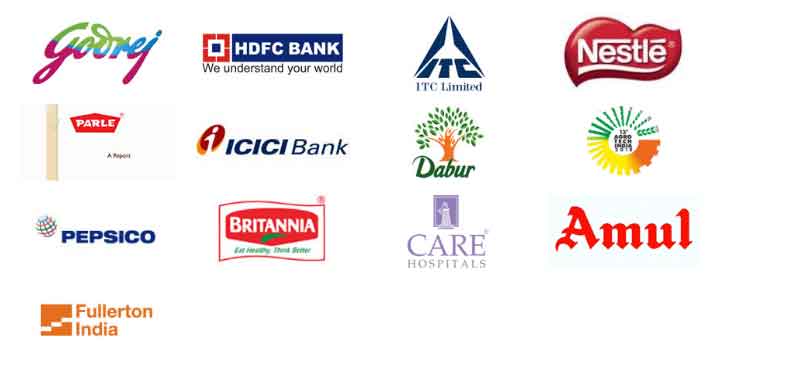
Top Recruiting Companies
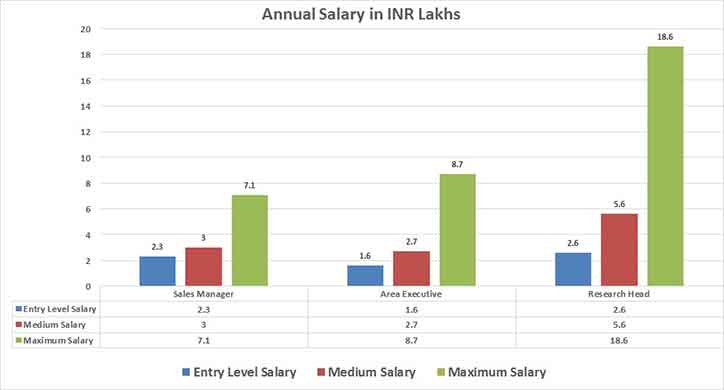
MBA in Rural Development Salary
| Master of Business Administration [MBA] (Rural Development) | Entry Level Salary (LPA) | Medium Salary (LPA) | Maximum Salary (LPA) |
|---|---|---|---|
| Sales Manager | 2.3 | 3 | 7.1 |
| Area Executive | 1.6 | 2.7 | 8.7 |
| Research Head | 2.6 | 5.6 | 18.6 |
Frequently Asked Questions (FAQs)
What is MBA in Rural Development?
MBA in Rural Development is a two-year postgraduate programme that combines business management skills with a deep focus on rural economies, community planning, development projects and sustainable growth strategies for rural areas.Who is eligible to apply for this course?
To pursue this MBA, candidates generally need a bachelor’s degree from a recognised university. Admission may be based on academic merit or entrance exams followed by institutional selection procedures.What subjects are typically covered in MBA in Rural Development?
The curriculum usually blends core management subjects like finance, marketing, HR and strategy with development-focused topics such as rural production and livelihoods, rural finance, public policy, sustainable development, agribusiness, and project management.What skills will I develop in this programme?
Students build strategic planning, analytical thinking, project management, rural finance understanding, community engagement, leadership and policy analysis skills — essential for managing rural development projects and organisations.What career opportunities are available after MBA in Rural Development?
Graduates can pursue roles such as Rural Development Officer, Project Manager, CSR Manager, Development Consultant, Policy Analyst, Microfinance Specialist, Agribusiness Manager and Social Impact Analyst in both public and private sectors.Which industries hire MBA Rural Development graduates?
Professionals can work with government agencies, rural development missions, NGOs, international development organisations, banks and microfinance institutions, corporate CSR divisions and agritech firms focused on rural economies.Is practical experience part of the MBA programme?
Many MBA programmes in rural development include internships, fieldwork, live projects and community immersion to give students real-world exposure to rural challenges and development initiatives.Can I pursue higher studies after this MBA?
Yes. Graduates may further their education with specialised master’s degrees, research programmes, professional certifications or PhD studies in development, policy, economics or management fields.What is the scope and future growth for this field?
With increasing focus on sustainable development, rural markets, agricultural innovation and social impact, demand for professionals who can lead rural transformation and community-based projects continues to grow.
10. Is an MBA in Rural Development suitable for students passionate about social impact?
Absolutely. This programme is ideal for students who want to combine management skills with social impact work, helping to improve livelihoods, drive community development projects influence policy in rural areas.
Watch the video
MBA in Rural Development full Details in Hindi || Course Details, Top Colleges, Salary
Other Popular Courses
Applications for Admissions are open
 Alliance UniversityBangalore
 Kalka Group of InstitutionsMeerut
 I.T.S Dental college, Murad NagarGhaziabad
 Bhojia Dental College and HospitalSolan
 DBS Global UniversityDehradun
 Chandigarh University OnlineMohali
 SRM University - APGuntur
 Rai Technology UniversityBangalore
 ATLAS SkillTech UniversityMumbai
 Mai Bhago Ayurvedic Medical CollegeFirozpur
 Saraswati Group of Colleges, MohaliMohali
 Pimpri Chinchwad UniversityPune
 Desh Bhagat UniversityFatehgarh Sahib
 JK Business School GurugramGurgaon
 Kalka Dental collegeMeerut
 Manav Rachna University, FaridabadFaridabad
 Harmony Ayurvedic Medical College & HospitalFirozpur
 Gian Sagar medical College & HospitalPatiala
 Atria UniversityBangalore
 Greater Noida Institute of TechnologyGreater Noida
 Lamrin Tech Skill UniversityRupnagar
 GD Goenka University, GurgaonGurgaon
 City College JayanagarBengaluru
 IILM University, GurugramGurgaon
 Guru Nanak Dev Dental College & Research InstitutePatiala
 Nims UniversityJaipur
 Swami Devi Dyal Hospital and Dental CollegePanchkula
 Somnath Goel Paramedical InstituteYamunanagar
 Centurion University of Technology and Management, BhubaneswarBhubaneswar
 K.R. Mangalam University, GurgaonGurgaon