Need Counselling
M.DES in Fashion Design
 Job Pressure
Medium
 Academic Pressure
Medium
Table of Contents
Master of Design Course Highlights
Some of the important highlights of M.Des are tabulated below.
| Course level | Postgraduate |
| Full-Form | Master of Design |
| Duration | 2 years |
| Examination type | Semester |
| Eligibility | Bachelor's degree in Design/Architecture/ Interior design/ Fine arts or in any stream with at least 50% marks from a recognized degree. |
| Admission Process | Through Entrance examination and personal interview |
| Course Fee | INR 1 to 3 Lakhs per annum. |
| Average Salary | INR 3 to 8 lakhs per annum |
| Top Recruiting Companies | Wipro Technologies Ltd, Eaton Corporation, Godrej & Boyce, Honeywell International Inc, Infosys Limited, Think Design, Craft Canvas, Lotus Design, etc par |
| Job Positions | Visual Designer, Design Evangelist, Insight Officer, Design Thinker, Sustainable Development Officer, User Experience Designer, CSR Executive, Trend Analyst, Social & Cultural Executive. |
Course Overview
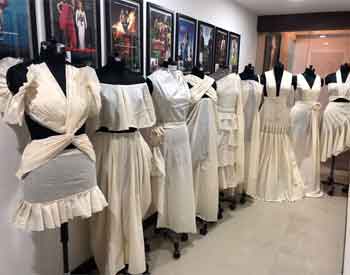
Master of Design is a post graduate degree course of 2 years duration. Fashion design is one of the specialized subjects taught in the course of Master of Design. Fashion designing is the application of a person’s creativity and imagination to apparels and accessories. The study of Fashion designing enables a person to give a unique and personalized touch to each of his/her creation. It is the art of creating something extraordinary out of ordinary things. The course will enable to you learn about the nuances of fashion industry, world fashion, fashion trends, creating a portfolio, product development, finishing your products, etc. You will also be able to learn Computer Aided Designing and Capsule Collection.
Eligibility
- Any graduate from any field of study with at least 45% marks in graduation from a recognized institute/university is eligible to pursue this course.
- Some reputed institutes like NIFT or NIFD also conduct entrance exams to qualify eligible candidates for the course.
Apply Now Get More Information
Course Content
The course content for the first year of Masters of Design would be the same across all specializations. In the second year, the course will focus mostly on the area of specialization. The course would typically include the study of the following:
- An introduction to the study of Design
- The principles and Application of Visual Design
- Ergonomics
- Methods of Design
- Form Studies
- Graphic Design
- C.A.D
- Capsule Collection
- Portfolio Creation
- Garment Creation
- Fabric Printing
- Pattern Making
- Embroidery
- Quality Analysis
Career Perspectives
A person who has qualified M.Design in Fashion Designing can become an independent Fashion Designer or work as an assistant to a designer. You can also work as a production manager in an apparel manufacturing company. The options of becoming a Fashion Coordinator, a Fashion Consultant or a Costume Designer are also available. You can also work as a personal stylist. You can open your own boutique. You can also teach Fashion Designing.
Frequently Asked Questions (FAQs)
What is M.Des in Fashion Design? Who is eligible to apply for this course? How long is the M.Des in Fashion Design programme? What subjects or skills are taught in the course? Is practical or industry exposure part of the curriculum? What skills will I develop during this programme? What career opportunities are available after M.Des in Fashion Design? Which industries hire M.Des Fashion Design graduates? Can I start my own fashion business after this degree? What is the future scope and salary potential after M.Des in Fashion Design?
M.Des (Master of Design) in Fashion Design is a two‑year postgraduate design programme that teaches advanced creative and technical skills in fashion — from conceptualisation, trend research and garment creation to digital design tools and sustainable practices — preparing students for leadership roles in the fashion industry.
Candidates typically need a bachelor’s degree from a recognised university (often in fashion design, textile design, apparel technology, or a related field). Some institutes may also require a portfolio or design aptitude test as part of the admission process.
The programme usually lasts 2 years (full‑time), structured into four semesters with a blend of studio work, workshops, theory and industry projects.
Students study topics such as fashion illustration, pattern making, garment construction, textile science, CAD and digital tools, trend forecasting, design research, sustainable practices, merchandising, branding and portfolio development — all aimed at building creative and professional expertise.
Yes — the course often includes hands‑on studio work, live projects, internships, industry collaborations, workshops and feedback from professionals so students gain real‑world experience and build strong portfolios.
You’ll develop creative design thinking, technical pattern and draping skills, digital proficiency (e.g., CAD tools), trend analysis, sustainable fashion knowledge, communication and business strategy — valuable for fashion careers.
Graduates can pursue roles such as Fashion Designer, Fashion Stylist, Fashion Illustrator, Costume Designer, Design Consultant, Trend Forecaster, Fashion Entrepreneur, Retail/Brand Manager, Visual Merchandiser and Fashion Researcher in fashion houses, studios, brands and creative agencies.
Professionals are in demand across fashion labels, apparel and textile companies, luxury brands, e‑commerce platforms, media and publishing, entertainment and costume departments, retail and merchandising firms.
Yes — many graduates use their design, branding and business skills to launch their own fashion labels, design studios, consultancy services or creative ventures in niche and sustainable fashion.
With the fashion industry evolving rapidly, skilled designers with creative and strategic expertise are in demand globally. Entry‑level salaries vary by role and city, and with experience, designers can advance into senior creative, leadership or entrepreneurial roles with higher compensation and international opportunities.
Other Popular Courses
Applications for Admissions are open
 Acharya Bangalore Business SchoolBangalore
 Vidya Siri College of PharmacyBangalore
 Sri Sukhmani Institute of ManagementNew Delhi
 Lovely Professional UniversityJalandhar
 Chandigarh University OnlineMohali
 Chanakya UniversityBangalore
 Atria UniversityBangalore
 Desh Bhagat UniversityFatehgarh Sahib
 K.R. Mangalam University, GurgaonGurgaon
 City College JayanagarBengaluru
 Institute of Management StudiesNoida
 Ajeenkya DY Patil UniversityPune
 Solan Homoeopathic Medical College & HospitalSolan
 Saraswati Group of Colleges, MohaliMohali
 Shri Bhawani Niketan Shiksha Samitijaipur
 Bhagwant Institute of TechnologyMuzaffarnagar
 I.T.S Engineering CollegeGreater Noida
 Karnavati UniversityGandhinagar
 Apeejay Stya UniversitySohna
 DBS Global UniversityDehradun
 Swami Devi Dyal Hospital and Dental CollegePanchkula
 Centurion University of Technology and Management, BhubaneswarBhubaneswar
 HRIT UniversityGhaziabad
 Gian Sagar medical College & HospitalPatiala
 Harmony Ayurvedic Medical College & HospitalFirozpur
 Muthoot Business SchoolKochi
 Gokul Global UniversitySiddhpur
 Guru Nanak Ayurvedic Medical College & HospitalMuktsar
 IIFA Lancaster Institute of DesignBangalore
 MERI CollegeNew Delhi