Need Counselling
M.D in Anesthesiology
 Job Pressure
Medium
 Academic Pressure
Medium
 Early Salary
3L LPA - 4L LPA
Mid Level Salary6L LPA - 8L LPA
Senior Salary8L LPA - 10L LPA
Table of Contents
M.D in Anesthesiology Course Highlights
| Course Level | Post Graduate |
| Duration | 2 Years |
| Examination type | Semester System |
| Eligibility | Graduation from a recognized University |
| Admission Process | Entrance exam based / Merit Based |
| Course Fee | INR 2,00,000 to 5,00,000 |
| Average Starting Salary | INR 3,00,000 to 6,00,000 |
| Employment Areas | Colleges and Universities, Hospitals, Private Clinics, etc. |
| Job Profiles | Registrar, Consultant, Anaesthetist, Senior Registrar, Asst. Professor/Lecturer, Critical Care Specialist, etc. |
| Top Recruiting Organizations | AIIMS, Lilavati Hospital & Research Centre, TATA Memorial Centre, Ocala Health System, Apollo Hospitals, Fortis Hospital, etc. |
M.D. in Anesthesiology Overview
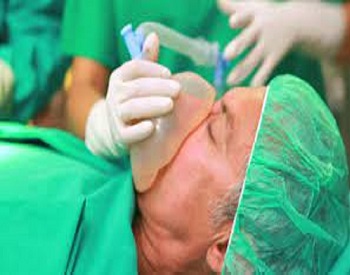
M. D. Anesthesiology or Doctor of Medicine in Anesthesiology is a two-year post-graduation degree program that focuses on how to make use of drugs in order to reduce pain by causing insensibility especially during surgeries and chronic medical treatments. Different areas of pain management like ambulatory anesthesia, pediatric anesthesiology, cardiothoracic anesthesiology, obstetric anesthesiology, etc are covered under this course. During surgery and other medical procedures, anesthesia helps in controlling pain through medicines and close monitoring of breathing, blood pressure, blood flow, heart rate, and rhythm, as required, so as to keep the patient comfortable. The course is highly rewarding and job orienting on successful completion.
Eligibility Criteria for M.D in Anesthesiology
The candidates who have completed their higher education that is M.B.B.S. with at least minimum aggregate marks obtained in their exams are eligible for this course. Some institutions consider the score in the entrance tests based on the subjects covered.
Require Skills set M.D in Anesthesiology
- Skills in Information Technology
- Aptitude for research and analysis
- Project Management Skills
- Time Management and Organizational Skills
- Ability to critically evaluate data
- Interpersonal and teamwork abilities
Common Entrance Examination for M.D in Anesthesiology
- All India Institute of Medical Sciences Postgraduate Entrance Exams
- Amrita Institute of Medical Sciences And Research Centre
- Assam University Entrance Exam
- Barkatullah University Entrance Exam
- BVU Medical College Entrance Exam
- Deccan College of Medical Sciences Entrance Exam
- Dr. D.Y. Patil Medical College Entrance Exam
- Gauhati University Entrance Exam
- Rajiv Gandhi University of Health Sciences Entrance Exam
M.D in Anesthesiology Syllabus
| Subjects of Study | |
| Human anatomy and physiology | Advanced trauma life support |
| Pharmacology | Occupational Hazards |
| Pathophysiology of various diseases | Safety in Anesthesia |
| Medicine | Complications of Anesthetic Procedures, its Prevention, Detection, and Management |
| Physics | Record keeping in Anesthesia |
| Perioperative anesthesia management | Medical Audit |
| Theory and practice of various techniques/ aspects of routine and emergency cases of general anesthesia | Quality Assurance |
| History of anesthesia | Anaesthesia Standards |
| Airway management | Medico-legal aspects of Anesthesia |
| Basic and advanced cardiopulmonary and cerebral resuscitation | Ethics in Anesthesia |
| Acid-base and fluid management | Principles of Evidence-based Medicine |
| Arterial, central venous, and P.A. lines | Basic Research Methodology and Clinical Trials |
| Anesthetic drugs used in perioperative care | Biostatics |
| Equipment’s | Computers |
| Medical Gases | Monitored Anesthesia |
| Daycare/outpatient anesthesia | Labour Analgesia |
| Remote location anesthesia | Pain Relief |
| Emergency anesthesia | Critical Care Practice |
Job Profile after M.D in Anesthesiology
- Registrar
- Consultant
- Anesthetist
- Senior Registrar
- Asst. Professor/Lecturer
- Critical Care Specialist
Frequently Asked Questions (FAQs)
1. What is M.D in Anesthesiology?
M.D in Anesthesiology (Doctor of Medicine in Anesthesiology) is a postgraduate medical programme that trains doctors to administer anesthesia and pain control safely during surgeries and clinical procedures, manage critical care, and handle emergencies. It also covers specialised areas like pediatric, cardiac, and obstetric anesthesia.2. How long is the programme?
The course typically lasts 3 years of full‑time study with clinical training in operating rooms, intensive care units, pain management and emergency care.3. Who is eligible to study M.D in Anesthesiology?
Candidates must have an **MBBS degree from a recognised medical college, complete the compulsory one‑year internship, be registered with a medical council, and qualify in the NEET‑PG (or equivalent postgraduate medical entrance exam).4. How do admissions work?
Admissions are usually based on NEET‑PG scores followed by counselling conducted by national, state, or institute authorities. Some colleges accept INI‑CET or other recognised exam scores.5. What subjects are studied in this course?
The syllabus covers pharmacology, airway management, pain relief techniques, monitoring for anesthesia, critical care, pediatric and obstetric anesthesia, resuscitation, emergency anesthesia, pain management, and research methodology. Practical clinical exposure is a key part of training.6. What skills will I gain from this degree?
You’ll learn anesthesia administration, patient monitoring, critical care support, pain control techniques, teamwork in surgical settings, clinical decision‑making, and research skills — all essential in surgical and intensive care environments.7. What jobs can I do after completing this course?
Graduates can work as Consultant Anesthesiologist, ICU/Critical Care Specialist, Pain Management Specialist, Pediatric/Cardiac Anesthetist, Academic Faculty, Researcher, or Emergency Response Doctor in hospitals and surgical centres.8. Where can MD Anesthesiology graduates work?
Job opportunities exist in government and private hospitals, multi‑speciality clinics, surgical centres, trauma and emergency units, pain management clinics, medical colleges, and intensive care units (ICUs).9. What is the average starting salary after this course?
In India, starting salaries for MD Anesthesiology graduates often range from around ₹8 LPA to ₹15–20 LPA or more, depending on hospital type, location, and experience. Highly experienced specialists and consultants can earn significantly more — sometimes ₹30 LPA+ in private or corporate settings.10. Is M.D in Anesthesiology a good career choice?
Yes — it’s a highly respected and in‑demand medical specialty because anesthesia is essential in nearly every surgical and critical care situation. It offers diverse clinical roles, opportunities in leadership and research, and global mobility due to universal demand for skilled anesthesiologists.
Other Popular Courses
Applications for Admissions are open
 Ramkumari College of Veterinary SciencesJhunjhunu
 Karnavati UniversityGandhinagar
 JK Business School GurugramGurgaon
 Saraswati Group of Colleges, MohaliMohali
 SDGI Global UniversityGhaziabad
 Amity University, GurugramGurgaon
 Sri Sukhmani Institute of ManagementNew Delhi
 Lamrin Tech Skill UniversityRupnagar
 Swami Devi Dyal Hospital and Dental CollegePanchkula
 IILM University, GurugramGurgaon
 Swami Devi Dyal Group of Professional InstitutionsPanchkula
 NIIT UniversityAlwar
 Alliance UniversityBangalore
 Graphic Era University, DehradunDehradun
 Harmony Ayurvedic Medical College & HospitalFirozpur
 DBS Global UniversityDehradun
 Jayoti Vidyapeeth Women’s UniversityJaipur
 Greater Noida Institute of TechnologyGreater Noida
 Ajeenkya DY Patil UniversityPune
 Bhojia Dental College and HospitalSolan
 MERI CollegeNew Delhi
 GNIOT Institute of Management Studies (GIMS)Greater Noida
 Shri Bhawani Niketan Shiksha Samitijaipur
 Chanakya UniversityBangalore
 Kalka Group of InstitutionsMeerut
 Atria UniversityBangalore
 UPES UniversityDehradun
 Manav Rachna International Institute Of Research And StudiesFaridabad
 I.T.S Dental college, Murad NagarGhaziabad
 Doon Business SchoolDehradun