Need Counselling
MBA
 Job Pressure
Medium
 Academic Pressure
Medium
 Early Salary
4 LPA LPA - 5.5 LPA LPA
Mid Level Salary6 LPA LPA - 7.4 LPA LPA
Senior Salary12 LPA LPA - 14.6 LPA LPA
Table of Contents
- MBA in Master of Business Administration Highlights
- MBA in Business Administration: About The Programme
- Why MBA in Business Administration?
- MBA in Business Administration Eligibility
- MBA in Master of Business Administration Syllabus
- Who Can Do MBA
- MBA Vs EMBA
- WHY MBA?
- MBA in Business Administration Career Options
- NIRF Ranking 2021 MBA colleges list
- MBA Specilizations Course fee and Salary
- MBA in Business Administration Scope (Job Types)
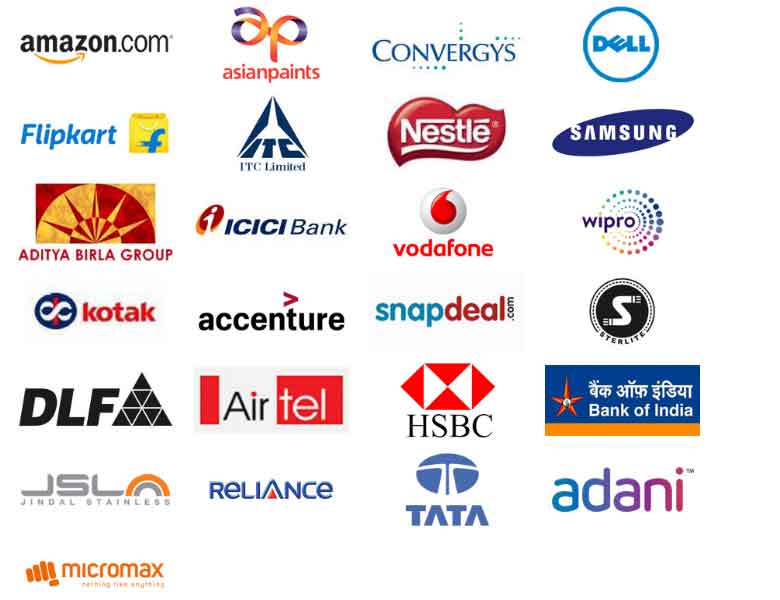
- Top Recruiting Companies
- MBA in Business Administration Salary
- Frequently Asked Questions (FAQs) — MBA (Master of Business Administration)
MBA in Master of Business Administration Highlights
| MBA Full Form | Master of Business Administration |
| Course Name | MBA |
| Course Level | Post Graduation |
| Types of MBA | Full-Time MBA, Part-Time MBA, Distance MBA, Online MBA, Executive MBA and Integrated MBA |
| MBA Course Fee | INR 2 lakh to 27 lakh and above |
| MBA Admission Process | Entrance Exam+ Group Discussion+ Personal Interview |
| Top MBA Entrance Exams | CAT, MAT, XAT, CMAT, NMAT, ATMA, IIFT, IBSAT |
| Top MBA Colleges | There are 5000+ colleges in India offering Full-Time MBA. Most popular colleges include IIM Ahmedabad, IIM Bangalore, IIM Calcutta, IIM Lucknow, FMS Delhi, SPJIMR Mumbai, XLRI, IIM Indore, IIM Kozhikode among others |
| Top MBA Specialisations | Sales, Marketing, Operations, Finance, Human Resources, Digital Marketing and Business Analytics |
| Average Salary post MBA | INR 5 lakh to 25 lakh per annum |
| Top Recruiters post MBA | Boston Consulting Group, Mckinsey, Bain & Co, Morgan Stanley, Citibank, JP Morgan Chase, Amazon, Facebook, Google, Adobe, etc. |
MBA in Business Administration: About The Programme
A Master of Business Administration (MBA) is a master’s degree which requires two years to complete when done on a regular basis. Students can also pursue this course through distance learning. It is available in many universities (public and private) in India.
The main objective of this course is to provide students the essential skills needed in business management.
Why MBA in Business Administration?
MBA is a post graduate degree course which trains students in the technicalities and professional skills of management. It prepares them for the business ethics and corporate responsibilities.
MBA in Business Administration Eligibility
- Candidates applying for this course must have completed their graduation or any equivalent from a recognized university.
- They must have scored a minimum of 55% marks in the graduation. SC/ ST candidates have 5% of relaxation in the minimum aggregate.
- There are some common entrance exams (MAT, GMAT, CAT etc) for MBA at a national/ international level on the basis of which students have admitted in colleges whereas some of the colleges hold their own eligibility test.
MBA in Master of Business Administration Syllabus
| Semester I | Semester II |
|---|---|
| Organizational Behaviour | Organization Effectiveness and Change |
| Marketing Management | Management Accounting |
| Information Technology Management | Management Science |
| Quantitative Methods | Operation Management |
| Human Resource Management | Economic Environment of Business |
| Managerial Economics | Marketing Research |
| Business Communication | Financial Management |
| Financial Accounting | Management of Information System |
| Semester III | Semester IV |
| Legal Environment of Business | Project Study |
| Business Ethics & Corporate Social Responsibility | International Business Environment |
| Strategic Analysis | Strategic Management |
| Elective Course | - |
Who Can Do MBA
MBA is 2 year PG degree course. Students can do study MBA after any kind of UG course like BBA, BCom, BA, Btech, BJMC, MBBS, BDS, BSc etc. Students those have 3-4 years of work experience to go for an EMBA (Executive MBA).
MBA Vs EMBA
- MBA is 2 year professional program, there is no need of any professional work experience to join the MBA course.
- Student get the direct admission or via entrance exams like CAT, GMAT, MAT etc.
- The MBA colleges offer campus placement to their students.
- Executive MBA also a two-year program
- A minimum of 3-5 years of work experience EBMA
- Students keep their full-time jobs and typically attend classes on Fridays and the weekends
- EMBA designed especially for working business professionals, senior executives Chief officers, managers or business owners etc.
WHY MBA?
- Here are some Very Good Reasons to Do an MBA Degree.
- Develop advanced and flexible management skills
- A lot of MBA specializations to fit your exact goals
- Access to an extensive business network
- MBA salaries are some of the highest on the job market
- Boosts Confidence for Entrepreneurship, Start your own company from scratch
- Better Career Growth, MBAs are great for a career change and thriving business opportunities
- Global Opportunities and recognition
- MBAs are challenging but not difficult to graduate
- You can study an MBA full-time, part-time and online
- MBA degrees accept older students
MBA in Business Administration Career Options
Career Opportunities for MBA graduates are many. They can seek employment in Corporate Sector or Marketing fields or Banks and there are many other options for them.
NIRF Ranking 2021 MBA colleges list
- Indian Institute of Management (IIM) Ahmedabad
- Indian Institute of Management (IIM) Bangalore
- Indian Institute of Management (IIM) Calcutta
- Indian Institute of Management (IIM) Kozhikode
- Indian Institute of Technology (IIT) Delhi
- Indian Institute of Management (IIM) Indore
- Indian Institute of Management (IIM) Lucknow
- Xavier Labour Relations Institute (XLRI) (Jamshedpur, Jharkhand)
- Indian Institute of Technology (IIT) Kharagpur
- Indian Institute of Technology (IIT) Bombay
MBA Specilizations Course fee and Salary
- MBA Marketing average Fees is INR 7 to 15 lakhs and average salary INR 5 to 14 lakhs per annum
- MBA Finance average Fees is INR 5 to 7 lakhs and average salary INR 5 to 12 lakhs per annum
- MBA in HR Management average Fees is INR 6 to 13 lakhs and average salary INR 4 to 11 lakhs per annum
- MBA IT average Fees is INR 8 to 14 lakhs and average salary INR 5 to 15 lakhs per annum
- MBA in Hospitality Management average Fees is INR 6 to 14 lakhs and average salary INR 7 to 11 lakhs per annum
- MBA in IB average Fees is INR 6 to 14 lakhs and average salary INR 7 to 11 lakhs per annum
- MBA in Digital Marketing average Fees is INR 6 to 13 lakhs and average salary INR 8 to 12 lakhs per annum
- MBA in Business Analytics average Fees is INR 7 to 12 lakhs and average salary INR 6 to 14 lakhs per annum
- MBA Operations Management average Fees is INR 4 to 13 lakhs and average salary INR 5 to 10 lakhs per annum
- MBA Hotel Management average Fees is INR 3 to 10 lakhs and average salary INR 3 to 8 lakhs per annum
- MBA Entrepreneurship average Fees is INR 4 to 12 lakhs and average salary INR 5 to 14 lakhs per annum
- MBA Event Management average Fees is INR 4 to 10 lakhs and average salary INR 4 to 10 lakhs per annum
- MBA Logistics and Supply chain Management average Fees is INR 6 to 14 lakhs and average salary INR 5 to 12 lakhs per annum
- MBA Biotechnology average Fees is INR 6 to 13 lakhs and average salary INR 4 to 12 lakhs per annum
- MBA Sports Management average Fees is INR 8 to 14 lakhs and average salary INR 5 to 15 lakhs per annum
- MBA Travel and Tourism average Fees is INR 4 to 12 lakhs and average salary INR 5 to 10 lakhs per annum
- MBA Aviation Management average Fees is INR 6 to 13 lakhs and average salary INR 6 to 12 lakhs per annum
MBA in Business Administration Scope (Job Types)
1) Private Sector Career options after MBA in Business Administration
- Product Managers
- Brand Managers
- Marketing Head
- Business Management
2) Private Sector Employment areas after MBA in Business Administration
- Media & Entertainment
- Investment Banking
- Management Consultancy
- Export Houses
- Financial Organizations
- Brand and Marketing Companies
3) Public Sector Employment areas after MBA in Business Administration
- Banks
- Insurance Sector
- Ministry of Commerce and Industry/ Ministry of Business
- Ministry of Corporate Affairs
- Educational Institutions
Top Recruiting Companies
Apply Now Get More Information
MBA in Business Administration Salary
| Master of Business Administration [MBA] | Entry Level Salary (LPA) | Medium Salary (LPA) | Maximum Salary (LPA) |
|---|---|---|---|
| Finance | 4 | 6 | 12 |
| Marketing | 5.5 | 7 | 14.6 |
| Operations | 4.5 | 7.4 | 13 |
| IT | 4.3 | 6.5 | 13 |
Frequently Asked Questions (FAQs) — MBA (Master of Business Administration)
- What is an MBA (Master of Business Administration)?
An MBA is a two-year postgraduate management degree that prepares students with advanced business knowledge, leadership skills, and strategic thinking for roles in corporate, finance, marketing, HR, operations and more. - Who is eligible to apply for an MBA?
To pursue an MBA, students must hold a bachelor’s degree in any discipline from a recognised university. Many colleges also require a minimum percentage in the undergraduate degree for eligibility. - What are the common entrance exams for MBA admission?
Admissions to MBA programmes are often based on scores from entrance exams such as MAT, CAT, XAT, CMAT, NMAT, IIFT and others, followed by group discussion and interview rounds at many schools. - What subjects are covered in an MBA curriculum?
Students typically study core management subjects such as Marketing, Finance, Human Resource Management, Operations, Strategic Management, Business Law, Economics and Research Methods, along with electives based on specialisation. - Can students from any academic background pursue an MBA?
Yes — students from any undergraduate discipline (Arts, Commerce, Science, Engineering, etc.) can pursue an MBA, provided they meet the eligibility criteria set by the institute. - What specialisations can I choose in MBA?
MBA programmes offer a variety of specialisations including Marketing, Finance, Human Resources, Business Analytics, International Business, Operations, Digital Marketing and Entrepreneurship. - What career opportunities are available after an MBA?
MBA graduates can work in roles such as Business Manager, Marketing Manager, Finance Manager, HR Manager, Operations Manager, Business Analyst, Consultant and Project Leader across sectors. - Is work experience required to join an MBA programme?
Work experience is not mandatory for most regular MBA programmes, though some executive formats or top business schools may prefer applicants with professional experience. - What is the typical salary range after completing an MBA?
Salary varies based on specialisation, industry and experience. Early-career MBA graduates may expect packages around ₹4–6 LPA, while mid-level and senior positions often command substantially higher packages. - What are the long-term benefits of pursuing an MBA?
An MBA helps students develop leadership, strategic planning, decision-making and advanced business skills, often leading to better career growth, higher salary potential, industry recognition and opportunities for entrepreneurship.
Other Popular Courses
Applications for Admissions are open
 Sri Sukhmani Institute of ManagementNew Delhi
 Somnath Goel Paramedical InstituteYamunanagar
 Gokul Global UniversitySiddhpur
 Chandigarh University OnlineMohali
 Presidency UniversityBangalore
 Bhagwant Institute of TechnologyMuzaffarnagar
 Centurion University of Technology and Management, BhubaneswarBhubaneswar
 Apeejay Stya UniversitySohna
 Atria UniversityBangalore
 Kalka Dental collegeMeerut
 Chanakya UniversityBangalore
 MERI CollegeNew Delhi
 IIFA Lancaster Institute of DesignBangalore
 IILM University, GurugramGurgaon
 Lovely Professional UniversityJalandhar
 Amity University, GurugramGurgaon
 Hierank Business SchoolNoida
 Bennett University, Greater NoidaGreater Noida
 Kalka Group of InstitutionsMeerut
 IILM University, Greater NoidaGreater Noida
 Vidya Siri College of PharmacyBangalore
 I.T.S College of Health and Wellness Sciences, Greater NoidaGreater Noida
 Shoolini UniversitySolan
 GNIOT Institute of Management Studies (GIMS)Greater Noida
 Karnavati UniversityGandhinagar
 Acharya Bangalore Business SchoolBangalore
 Om Sterling Global UniversityHisar
 Guru Nanak Dev Dental College & Research InstitutePatiala
 Shri Bhawani Niketan Shiksha Samitijaipur
 NIIT UniversityAlwar