Need Counselling
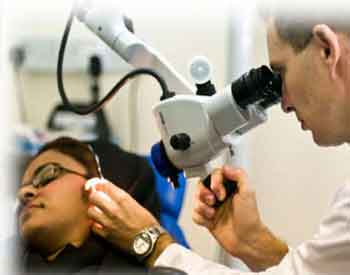
MS E.N.T
 Job Pressure
Medium
 Academic Pressure
Medium
 Early Salary
10.5 LPA LPA - 15.5 LPA LPA
Mid Level Salary20.5 LPA LPA - 25.5 LPA LPA
Senior Salary30.5 LPA LPA - 35.5 LPA LPA
Table of Contents
M.S ENT or Master of Surgery in Otolaryngology Course Highlights
| MS ENT Full form | Master of Surgery in E.N.T |
| Course | MS (E.N.T) |
| Level | Post graduate |
| Duration | 3-year |
| Eligibility | 10+2, MBBS from a recognized university |
| Admission Process | Merit or entrance exam (AIIMS, NEET, etc.) followed by counseling |
| Average tuition fee | INR 5 to 40 Lakhs |
| Average salary | INR 10 to 40 Lakhs per annum |
| Job Positions | Chief surgeon, ENT specialist, general ENT consultant, senior data analyst, otolaryngologist, senior OPT, Medical Scientist, Research Assistant, Otolaryngologist, ENT Assistant, etc. |
M. S. ENT or Master of Surgery in Otolaryngology Overview
M. S. ENT or Master of Surgery in Otolaryngology is a two-year post-graduation course that is designed to produce specialists in diagnosing and treating illnesses related to sense organs like Ears, Nose, and Throat of individuals. It is a professional program where students are educated to carry out surgical and medical treatment of the ears, nose, throat, head, and neck areas.
Diseases like adenoidectomies, nose bleeding, infected mastoids, tonsillectomies, and chronic sinusitis are some of the chronic ailments which the students are trained to diagnose and treat under this course. ENT professionals can late on even opt to excel in any one of the major areas and focus on their specialization like an Ear specialist can concentrate on diagnosis and treatment of hearing disorders and related problems, likewise, a nose specialist can deal with ailments related to chronic sinusitis and so on.
Who can opt for MS in E.N.T?
A candidate aspiring to apply for the above course should possess a 5 ½ year M.B.B.S degree from a reputed and recognized institute/university. Apart from this, he needs to appear for a post-graduate medical entrance test in order to get a seat in one of the colleges for the above course. Candidates should possess enough stamina to endure long hours of work, should have excellent communication skills, should have good hand-eye coordination, and should be able to handle critical situations without getting panicked.
How is MS in E.N.T beneficial?
This course is highly rewarding as the demand for ENT specialists is ever on the increase, thanks to the increasing pollution hazards and intake of contaminated junk food which is leading to a rise in various ENT disorders in individuals. Candidates can find excellent job opportunities both in the government as well as the private sector on successful completion of this course.
M.S ENT Syllabus
| YEAR 1 | YEAR 2 |
|---|---|
| General surgical methods | Basic audiology |
| E.N.T | Paediatric otolaryngology |
| Anaesthesia | Basic neurology |
| General medicine ward | Radiology and Radiotherapy |
| Plastic surgery | ENT surgical methods and upper aerodigestive tract endoscopy |
| Neuron surgery | Anaesthesia methods |
| Cardio-thoracic surgery | Practical session |
| Maxillary surgery | Operation theatre session |
| YEAR 3 | |
| General surgical method | ENT OPD |
| Internship/ Practical training | Thesis presentation |
| Research work presentation | Comprehensive viva |
Frequently Asked Questions (FAQs) 2. What does an ENT specialist do? 3. How long is the MS E.N.T programme? 4. Who is eligible for MS in E.N.T? 5. How are admissions done? 6. What subjects and training are included in the course? 7. What skills will I gain from MS in E.N.T? 8. Where can graduates work after this course? 9. What is the average salary after MS in E.N.T? 10. Is MS in E.N.T a good career choice?
1. What is MS in E.N.T?
MS in E.N.T (Master of Surgery in Ear, Nose & Throat), also called MS in Otorhinolaryngology, is a 3‑year postgraduate medical degree that trains doctors in diagnosing, treating, and performing surgical procedures related to the ear, nose, throat and nearby head‑neck structures.
An ENT specialist manages hearing loss, sinus problems, tonsillitis, throat disorders, voice issues, head‑neck injuries, tumours, and other conditions using both medical and surgical methods. They also handle audiology and balance disorders.
The course lasts 3 years of full‑time study, including clinical training, surgical practice, hands‑on patient care and thesis/dissertation work.
You must have an MBBS degree from a recognised medical college, complete a 1‑year compulsory internship, and qualify in a postgraduate medical entrance exam (e.g., NEET‑PG, INI‑CET, AIIMS PG). Registration with the medical council is also required.
Admissions are based on entrance exam scores and counselling by national or state authorities. NEET‑PG and related exams determine eligibility and seat allocation.
Training covers otology (ear), rhinology (nose and sinuses), laryngology (throat and voice), head‑neck surgery, audiology, clinical diagnostics, and specialised ENT surgical skills. It also includes seminars, research and OPD/OT practice.
You will learn clinical assessment, surgical techniques, diagnostic procedures, patient management, emergency care, team leadership in surgery, and research methodology — all essential for an ENT surgeon.
Graduates can work as ENT Surgeon / Consultant, Head‑Neck Specialist, Audiologist, Clinical Lecturer/Professor, Researcher, or Private Practitioner in government and private hospitals, clinics, diagnostic labs, academic institutions or their own practice.
In India, salaries vary widely depending on experience, location, and employer. Starting packages often range from around ₹8 LPA to ₹20 LPA or more, and experienced ENT surgeons in private practice or senior roles can earn higher salaries (₹20 LPA+).
Yes — it offers a specialised and in‑demand medical career with opportunities in clinical practice, advanced surgery, teaching, research, and further super‑specialisation (e.g., head‑neck oncology, pediatric ENT, neurotology). The field balances surgical depth with patient care and has consistent demand in hospitals and private settings.
Other Popular Courses
Applications for Admissions are open
 Institute of Management StudiesNoida
 Amity University, GurugramGurgaon
 Apeejay Stya UniversitySohna
 Kalka Group of InstitutionsMeerut
 Atria UniversityBangalore
 NIIT UniversityAlwar
 Shoolini UniversitySolan
 Bennett University, Greater NoidaGreater Noida
 DBS Global UniversityDehradun
 City College JayanagarBengaluru
 Desh Bhagat UniversityFatehgarh Sahib
 Centurion University of Technology and Management, BhubaneswarBhubaneswar
 UNITEDWORLD INSTITUTE OF DESIGNAhmedabad
 Pimpri Chinchwad UniversityPune
 Somnath Goel Paramedical InstituteYamunanagar
 Gokul Global UniversitySiddhpur
 Muthoot Business SchoolKochi
 Sri Sukhmani Institute of ManagementNew Delhi
 Ajeenkya DY Patil UniversityPune
 I.T.S Dental college, Murad NagarGhaziabad
 GNIOT Institute of Management Studies (GIMS)Greater Noida
 Guru Nanak Dev Dental College & Research InstitutePatiala
 Om Sterling Global UniversityHisar
 HRIT UniversityGhaziabad
 Hierank Business SchoolNoida
 Kalka Dental collegeMeerut
 IILM University, Greater NoidaGreater Noida
 Lovely Professional UniversityJalandhar
 MERI CollegeNew Delhi
 SDGI Global UniversityGhaziabad