Need Counselling

MBA Energy Management
 Job Pressure
Medium
 Academic Pressure
Medium
 Early Salary
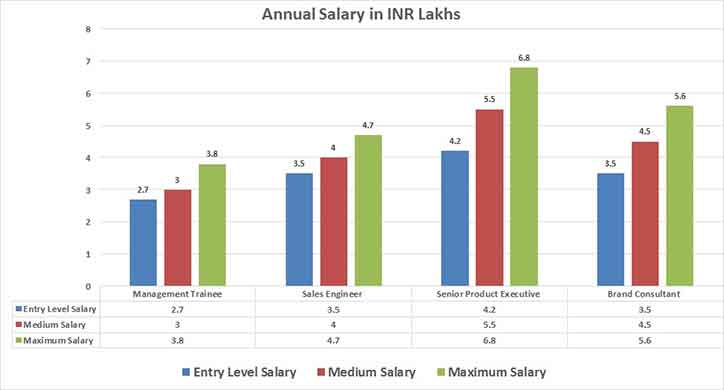
1.5 LPA LPA - 2.5 LPA LPA
Mid Level Salary3.5 LPA LPA - 4.5 LPA LPA
Senior Salary5.5 LPA LPA - 7 LPA LPA
Table of Contents
- MBA Energy Management Course Highlights
- About MBA in Energy Management Course
- Why MBA in Energy Management?
- MBA in Energy Management Eligibility
- MBA Energy Management Syllabus
- MBA in Energy Management Career Options
- MBA in Energy Management Scope (Job Types)
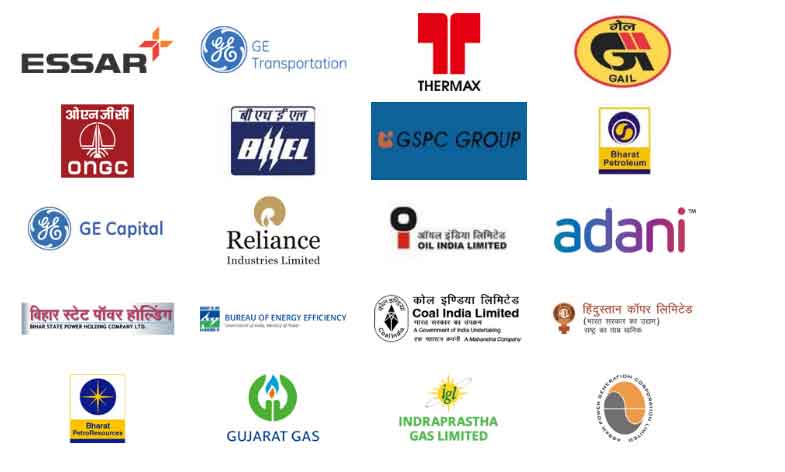
- Top Recruiting Companies
- MBA in Energy Management Salary
MBA Energy Management Course Highlights
| Duration | 2 years (fulltime) |
| Course level | MBA |
| Examination Type | Semester |
| Eligibility | Bachelor’s degree in any discipline with 50% aggregate marks |
| Admission process | Entrance exam conducted by colleges, GD & PI |
| Course Fee | INR 1 to 4 Lakhs |
| Average Annual salary | INR 6.7 Lakhs |
| Job Positions | Energy Consultant, Energy Auditor, Energy Market Reporter, etc. |
| Top Recruiting Companies | Adani Power, NHPC, NTPC, Tata Power, Damodar Valley, etc. |
About MBA in Energy Management Course
MBA with a major in Energy Management is post graduate degree course which is offered at the university level in India. It generally requires two years to complete when done on a regular basis. The course duration varies from college to college when done through distance learning.
MBA (Energy Management) aims to educate students on the realities of energy management/ conservation.
Why MBA in Energy Management?
The course prepares students for the industrial overview of handling energy management issues. It also helps them to manage the negotiation required according to the market.
MBA in Energy Management Eligibility
- Students applying for this course must have a Bachelor’s degree from a recognized university. They must have scored a minimum of 55% aggregate.
- A common entrance exam for MBA is held at the national level on the basis of which students are admitted.
- There are some colleges which hold their own eligibility test.
MBA Energy Management Syllabus
| Semester I | Semester II |
|---|---|
| Managerial Economics | Oil and Gas Economics |
| Business Statistics | Energy Audits and Energy Management |
| Advanced Data-Driven Decision Making | Global Business Environment |
| Business Communication | Financial and Operations Management |
| Business to Business Marketing | Sustainability Standards |
| Financial Accounting | Business and Natural Capital Management |
| Introduction to Financial Markets and Institutions | Project Management Suite |
| Human Resource Management | Export-Import Management |
| Non-Renewable Energy Sources | Operations Research |
| Renewable Energy Sources | Organizational Behavior |
| Governance and Corporate Sustainability | Marketing Research |
| Choose Any 1 – French, Chinese, Spanish and German | - |
| Semester III | Semester IV |
| ERP- Business Process Integration | Environmental Modelling and GIS |
| Global Strategic Management | Business and Social Impact Management |
| Electricity Regulatory Issues and Mechanisms | Dissertation |
| Advanced Energy Management and Six Sigma | - |
| ISO 14001 and EnMS 50001 Certification | - |
| Summer Internship | - |
MBA in Energy Management Career Options
Project/Operations Manager, Sales Engineer, EPC Manager, Energy and Sustainability Experts, Management Trainee/ Assistant Manager, Brand Consultant, Deputy Manager - Power Trading, Senior Product Executive etc.
MBA in Energy Management Scope (Job Types)
1) Private Sector Career options after MBA in Energy Management
- Project/Operations Manager
- Sales Engineer
- EPC Manager
- Energy and Sustainability Experts
- Management Trainee/ Assistant Manager
- Deputy Manager - Power Trading
- Senior Product Executive
- Brand Consultant
2) Private Sector Employment areas after MBA in Energy Management
Oil exploring Power transmission Energy/power infrastructure Power distribution Power generation Energy sector consulting services Financing/manufacturing
3) Public Sector Employment areas after MBA in Energy Management
- Ministry of Power
- Ministry of Petroleum and Natural Gas
- Ministry of Coal
- Ministry of Earth Sciences
- Ministry of Mines
- Ministry of New and Renewable Energy
Apply Now Get More Information
Top Recruiting Companies
MBA in Energy Management Salary
Frequently Asked Questions (FAQs)
What is MBA in Energy Management? Who is eligible to apply for this course? What subjects will I study in MBA in Energy Management? What skills will I develop during this programme? Is practical training or internship part of the course? What career opportunities are available after MBA in Energy Management? Which industries hire MBA Energy Management graduates? Can I pursue higher studies after this MBA? What is the salary range for MBA in Energy Management graduates?
10.How does this MBA prepare me for the future job market?
MBA in Energy Management is a two-year postgraduate programme that combines advanced business management training with specialised knowledge in energy markets, energy policy, sustainability, and efficient use of energy resources. It prepares students to manage and lead in the evolving energy and power sector.
To pursue this MBA, candidates generally need a bachelor’s degree from a recognised university. Admissions are typically based on entrance exams (such as CAT, MAT, XAT, CMAT) or merit, followed by interviews or group discussions at some colleges.
The curriculum blends core management subjects with energy-focused topics like energy markets and policy, renewable energy management, sustainable business strategies, energy economics, environmental compliance, and clean energy transition technologies.
Students gain strategic leadership, data analysis, energy economics understanding, sustainability planning, regulatory insights, and decision-making skills — all crucial for senior roles in both traditional and renewable energy sectors.
Many programmes include internships, live projects, industry case studies and real-world assignments that give practical exposure to energy production, sustainability initiatives, and corporate energy strategies.
Graduates can pursue roles such as Energy Manager, Renewable Energy Director, Energy Consultant, Environmental Compliance Officer, Energy Policy Analyst, Sustainability Manager and Strategic Energy Planner in both public and private sectors.
Professionals are in demand across energy production companies, renewable energy firms, power utilities, environmental consulting firms, government energy agencies, ESG and sustainability teams within corporates.
Yes. Many graduates choose further education such as specialised master’s degrees, doctoral research, or professional energy certifications to deepen expertise and open advanced career opportunities.
Salary varies by role, experience and region. Energy sector managers and consultants often receive competitive packages, with roles such as renewable energy project managers or sustainability leads often commanding higher salaries.
The programme equips students with both business leadership capabilities and specialised energy sector knowledge, making them valuable in a world increasingly focused on sustainability, energy efficiency and clean energy technologies.
Other Popular Courses
Applications for Admissions are open
 Somnath Goel Paramedical InstituteYamunanagar
 Om Sterling Global UniversityHisar
 City College JayanagarBengaluru
 Chanakya UniversityBangalore
 Alliance UniversityBangalore
 Lamrin Tech Skill UniversityRupnagar
 IIFA Lancaster Institute of DesignBangalore
 GD Goenka University, GurgaonGurgaon
 Chandigarh University OnlineMohali
 Muthoot Business SchoolKochi
 Centurion University of Technology and Management, BhubaneswarBhubaneswar
 Desh Bhagat UniversityFatehgarh Sahib
 Kalka Dental collegeMeerut
 Manav Rachna International Institute Of Research And StudiesFaridabad
 Greater Noida Institute of TechnologyGreater Noida
 Vidya Siri College of PharmacyBangalore
 Lovely Professional UniversityJalandhar
 ATLAS SkillTech UniversityMumbai
 Bhagwant Institute of TechnologyMuzaffarnagar
 JK Business School GurugramGurgaon
 Solan Homoeopathic Medical College & HospitalSolan
 Gokul Global UniversitySiddhpur
 UNITEDWORLD INSTITUTE OF DESIGNAhmedabad
 Manav Rachna University, FaridabadFaridabad
 Shri Bhawani Niketan Shiksha Samitijaipur
 Kalka Group of InstitutionsMeerut
 Shoolini UniversitySolan
 Atria UniversityBangalore
 SRM University - APGuntur
 DBS Global UniversityDehradun