Need Counselling
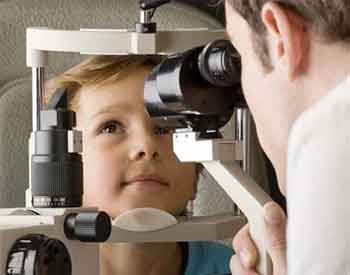
MS Ophthalmology
 Job Pressure
Medium
 Academic Pressure
Medium
 Early Salary
2.5 LPA LPA - 4.5 LPA LPA
Mid Level Salary5.5 LPA LPA - 7.5 LPA LPA
Senior Salary10.5 LPA LPA - 12 LPA LPA
Table of Contents
MS Ophthalmology Course Highlights
| Course Level | Post-Graduation |
| Name of the course | M.S. in Ophthalmology |
| Duration of the course | 2 years, full-time |
| Stream of Study | Ophthalmology |
| Examination Type | Yearly |
| Eligibility of the course | M.B.B.S. |
| Admission Process | MBBS recognized by the Medical Council of India, with a minimum aggregate score of 50% |
| Top Recruiting Companies | Fortis Healthcare, Max Healthcare, Care Hospitals, Indian Council of Medical Research, Apollo Hospitals, Kailash Hospital, Adecco India Private Limited, Jaypee healthcare limited, Meditrina Hospitals Private Limited, etc. |
| Average Course Fee | INR 3K to 5 Lacs |
| Average Starting Salary | INR 3 to 12 Lacs |
MS in Ophthalmology Overview
M. S. Ophthalmology or Master of Surgery in Ophthalmology is a two-year postgraduate degree course in the medical field of Ophthalmology. It deals in anatomy, physiology, and disorders of the eye. It involves the treatment of eye problems through medical as well as surgical procedures and includes orbital as well as ocular anatomy and includes Ocular Pathology, Gross Anatomy, Histology, Biochemistry, Microbiology, and Immunology in relation to Ocular Immunology. Opportunities for further research in ophthalmology in clinical surgery settings are also imparted through this course like fine microsurgery, intraocular surgery, or vitreoretinal surgery of the eye.
Who can opt for MS in Ophthalmology?
Only those candidates can opt for this course who have already finished their M.B.B.S. course with a minimum of 50% marks. They even need to appear for a post-graduation medical entrance examination to qualify for this course, conducted by various reputed institutes offering this course. This course is of utmost suitability to those who aspire to be trained in diagnosing and treating all kinds of eye-related diseases and illnesses. Such students should be very good in Physics and Mathematics, along with a good knowledge of medicine. Moreover, they should have good motor skills, excellent vision, good management and administrative expertise, good communication skills, and possess the ability to work in groups.
How is MS in Ophthalmology beneficial?
This course trains individuals in becoming specialists in treating the underlying eye problem through the usage of medicines, surgery, diet, and other therapies. They are educated and endowed with knowledge on how to provide the full spectrum of eye care, right from correction of myopia or long and short-sightedness to carrying out minute and delicate eye surgeries. Hence, they can either start a complete eye-care clinic of their own or work as eye specialists in private or government hospitals and clinics on completion of the course.
MS Ophthalmology Syllabus
| First Year | Second Year |
|---|---|
| Trauma and Emergency Ophthalmology | Uvea and Vitreoretinal diseases |
| Basic Science in Ophthalmology | Lens and Glaucoma |
| Disorders of the lids, lacrimal drainage apparatus, orbit and oculoplastic | Disorders of the optic nerve, visual pathway Neuro-ophthalmology |
| Optics and refraction, contact lenses and low visual aids | Community Ophthalmology |
| External Eye Disease, Sclera, Cornea | Ocular motility, strabismus, pediatric ophthalmology |
Frequently Asked Questions (FAQs) (Note: specific remuneration varies widely by city, hospital type, and whether you are in government vs private sector.)
1. What is MS in Ophthalmology?
MS in Ophthalmology is a 3‑year postgraduate medical degree that trains doctors to diagnose, treat, and surgically manage eye diseases and visual disorders. This includes clinical eye care, ophthalmic surgery, and specialised procedures like cataract and retinal surgery.
2. Who is eligible for this course?
To be eligible, you must have an MBBS degree from a recognised medical college, complete the compulsory one‑year internship, and clear a postgraduate medical entrance exam such as NEET‑PG. Registration with a medical council (NMC/State) is also required.
3. How long is the MS Ophthalmology programme?
The standard duration is 3 years of full‑time study and clinical/surgical training in hospitals and eye care centres.
4. How do admissions work?
Admission is primarily through NEET‑PG exam scores followed by counselling by national/state authorities. Seats may be allocated via centralised or state‑level counselling.
5. What subjects and training are included?
The programme covers ocular anatomy and physiology, ocular pathology, clinical ophthalmology, optics and refraction, medical and surgical eye care, diagnostic techniques, and research methodology, along with extensive hands‑on surgical training in subspecialties like cornea, glaucoma, retina, and pediatrics.
6. What skills will I gain?
Graduates develop expertise in clinical assessment, eye surgery (e.g., cataract, glaucoma), diagnostic imaging, patient management, ophthalmic microsurgery, and interdisciplinary teamwork — essential for comprehensive eye care.
7. What career options are available after MS Ophthalmology?
After completion, you can work as:
• Ophthalmologist / Eye surgeon
• Consultant Ophthalmologist
• Cataract or Retina Specialist
• Pediatric Ophthalmologist
• Oculoplastic Surgeon
• Senior Resident or Faculty in medical colleges
• Researcher in eye health and vision science
• Private practice owner/partner in clinics
8. Where can graduates work?
Job opportunities exist in government and private hospitals, specialised eye care centres, diagnostic imaging labs, NGOs focused on blindness prevention, research institutes, academic institutions, and community eye health programmes.
9. What is the typical salary after this course?
Average starting salaries in India typically range from roughly ₹3 LPA to ₹12 LPA or more depending on the role, experience, and location. Experienced ophthalmologists, especially in private practice or high‑volume surgical centres, may earn higher packages.
10. Is MS in Ophthalmology a good career choice?
Yes — it’s a rewarding and high‑impact medical speciality with strong demand for vision care, especially as eye diseases like cataracts, glaucoma and diabetic retinopathy rise with population ageing. The field offers clinical, surgical, research and teaching opportunities. Work involves surgery, regular outpatient care, and community ophthalmology.
Other Popular Courses
Applications for Admissions are open
 Atria UniversityBangalore
 DBS Global UniversityDehradun
 Karnavati UniversityGandhinagar
 Om Sterling Global UniversityHisar
 Solan Homoeopathic Medical College & HospitalSolan
 Muthoot Business SchoolKochi
 Shri Bhawani Niketan Shiksha Samitijaipur
 Nims UniversityJaipur
 Swami Devi Dyal Hospital and Dental CollegePanchkula
 IIFA Lancaster Institute of DesignBangalore
 ITS Dental College, Greater NoidaGreater Noida
 Greater Noida Institute of TechnologyGreater Noida
 NIIT UniversityAlwar
 Guru Nanak Ayurvedic Medical College & HospitalMuktsar
 Presidency UniversityBangalore
 Kalka Dental collegeMeerut
 UNITEDWORLD INSTITUTE OF DESIGNAhmedabad
 SRM University - APGuntur
 IILM University, Greater NoidaGreater Noida
 Lamrin Tech Skill UniversityRupnagar
 HRIT UniversityGhaziabad
 GD Goenka University, GurgaonGurgaon
 City College JayanagarBengaluru
 Kalka Group of InstitutionsMeerut
 Bhagwant Institute of TechnologyMuzaffarnagar
 Shoolini UniversitySolan
 I.T.S Engineering CollegeGreater Noida
 Guru Kashi UniversityBathinda
 Apeejay Stya UniversitySohna
 Bennett University, Greater NoidaGreater Noida